




Article: Lead-Free Cabinet and Door Hardware: Prop 65 Explained

Lead-Free Cabinet and Door Hardware: Prop 65 Explained
When upgrading your home, selecting the perfect cabinet and door hardware involves more than just matching styles and aesthetics. Material composition and safety are equally important to homeowners today. If you're on the hunt for lead-free cabinet hardware, you might notice varying labels and warnings that can be confusing to navigate. Here's a breakdown of what you need to know about lead in hardware and how to shop with confidence.
Understanding Proposition 65 Warnings
California's Proposition 65 requires businesses to warn consumers about potential exposures to chemicals known to cause cancer, birth defects, or reproductive harm. The threshold for these warnings is incredibly strict. A cancer warning is triggered if daily exposure over a 70-year lifetime would result in more than one excess case of cancer in 100,000 individuals (a 0.00001% increase). Common materials that trigger Prop 65 in hardware include lead, cadmium, and nickel. For reproductive harm, the warning threshold for lead is triggered at an exposure of just 0.5 micrograms per day. Because these limits are so conservative, warnings appear on many household items where the actual daily risk is extremely minimal.

Why Hardware Contains Lead
You may wonder why lead is used in decorative hardware. Historically, lead has been added to alloys to make the metal softer and easier to machine and cast. The good news is that modern hardware generally uses significantly less lead than it used to. While vintage hardware often contained higher concentrations of lead, today's manufacturing standards and stricter health regulations have drastically reduced these levels, typically capping them at very low percentages - just enough to maintain machinability.
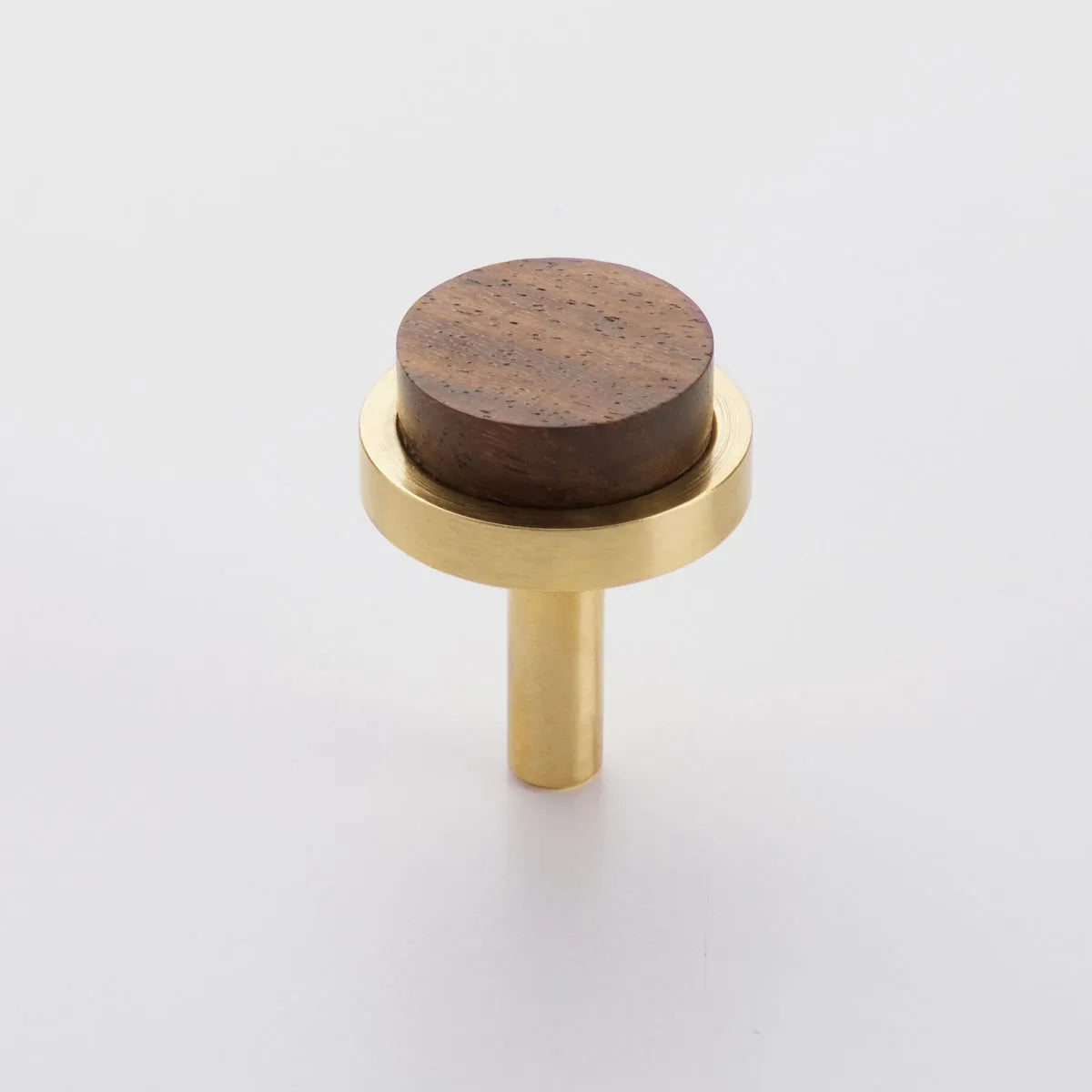
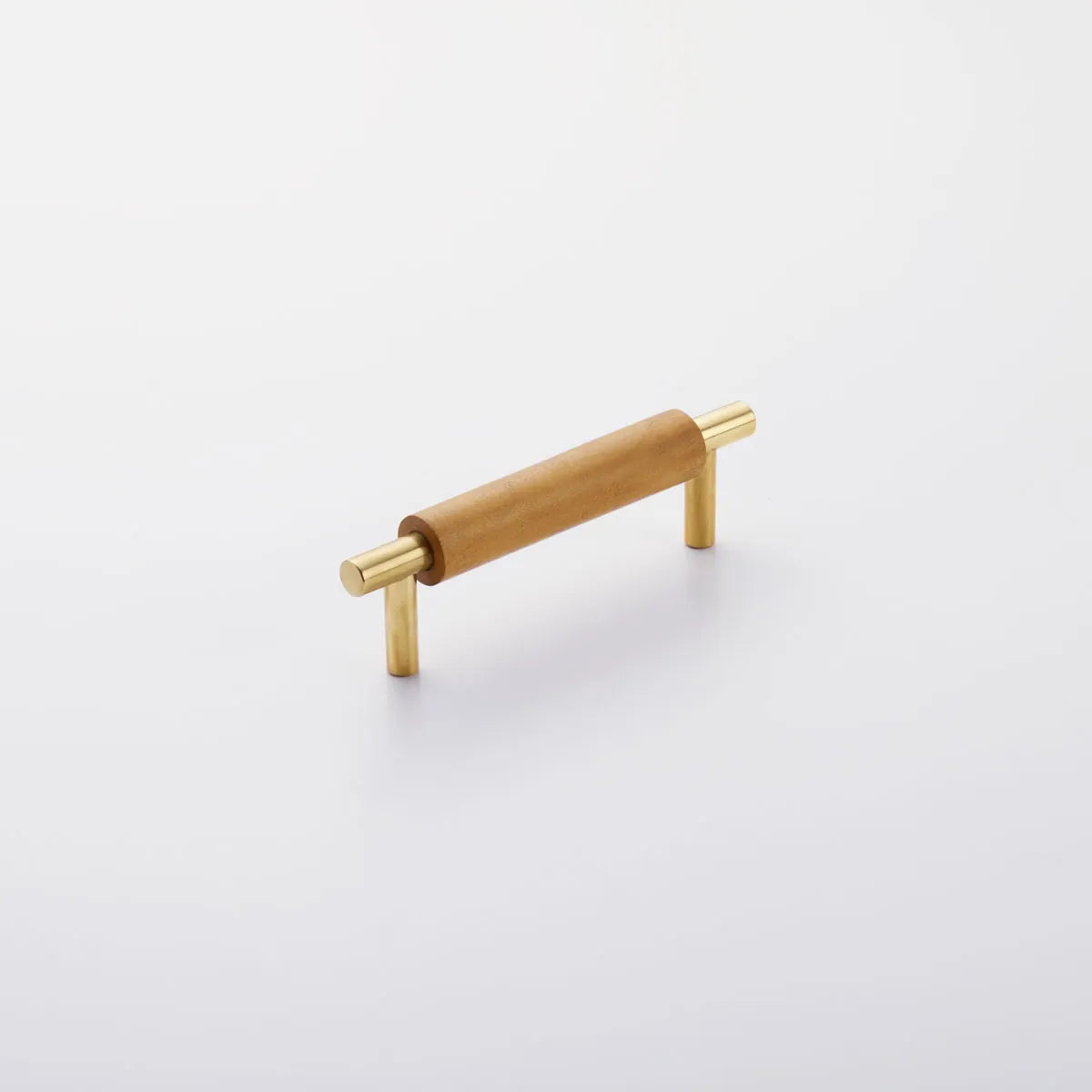
Additionally, a product can carry a lead warning even if the exterior is completely safe to handle. Many door locks and cabinet accessories rely on machinable brass alloys for their internal mechanisms. Even though these internal components are completely encased and never touched during daily use, their mere presence legally prevents the overall product from being classified as entirely lead-free. For example, a wooden cabinet pull may not be considered lead-free because the threaded inserts needed to attach screws are made out of brass.
The Protective Power of Finishes
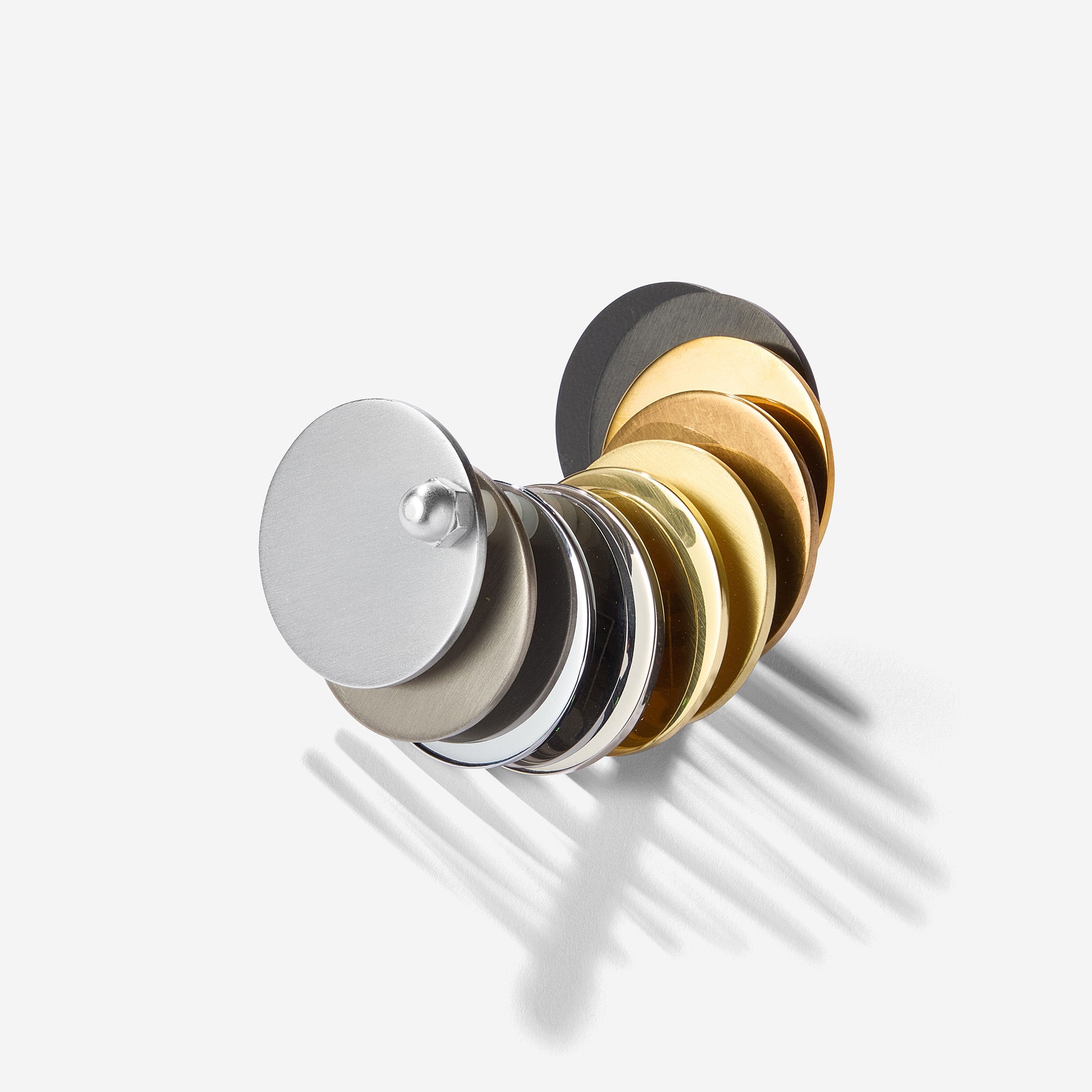
Modern hardware manufacturing also can provide a powerful, built-in barrier. The exterior finish on your cabinet pulls and door levers can act as a protective seal over the underlying metal. Common protective barriers include electroplating used for chrome, nickel, or gold finishes, durable powder coating used for black styles, and clear lacquers applied over natural metals.
Whether it is plated or coated, this exterior layer firmly seals the base alloy. As long as the finish remains intact and undamaged, it reduces your physical contact with any trace lead beneath the surface.
Testing Hardware at Home
While protective finishes and strict Prop 65 standards offer peace of mind, some homeowners prefer an added layer of verification. If you are particularly concerned about exposure, purchasing a consumer lead detector or swab test kit is a great option for evaluating your hardware independently. Standard consumer kits can reliably test solid metal surfaces to detect if lead is actively accessible on the exterior of the product.
Making Informed Choices for Your Home
If you're looking to minimize lead exposure, here are a few things to keep in mind:
- The Usual Suspects: Brass products are the most likely to contain lead. If this a primary concern, we typically recommend steering away from brass entirely.
- The Bronze Exception: It's a common misconception that switching to bronze solves the issue, but bronze alloys can also contain trace amounts of lead.
- Even products that are marketed as lead free can contain a small amount of lead according to the EPA.
- Verify at home: For total confidence, we encourage the use of at-home testing kits. It's the best way to make an informed, comfortable choice for your home.
At San Diego Hardware, we are passionate about helping you find the perfect pieces to bring your interior design vision to life. As a retailer of decorative hardware, we curate our offerings from a variety of premium brands to ensure you have the best selection possible. However, because we are not the manufacturer, we are not usually privy to the alloy recipes or internal metal contents used in our products. If you're interested in one of our products, our team is always happy to help track down product details and Prop 65 disclosures from the manufacturer on your behalf, whenever we can.
You can find more information about Prop 65 on the official OEHHA website.


Written by Hannah Haynsworth

Leave a comment
This site is protected by hCaptcha and the hCaptcha Privacy Policy and Terms of Service apply.